High Fashion Brands in India — A Luxe Style Landscape in 2026
Published on 10th February 2026 by Vismaya R K
Fashion
Introduction to High Fashion in India
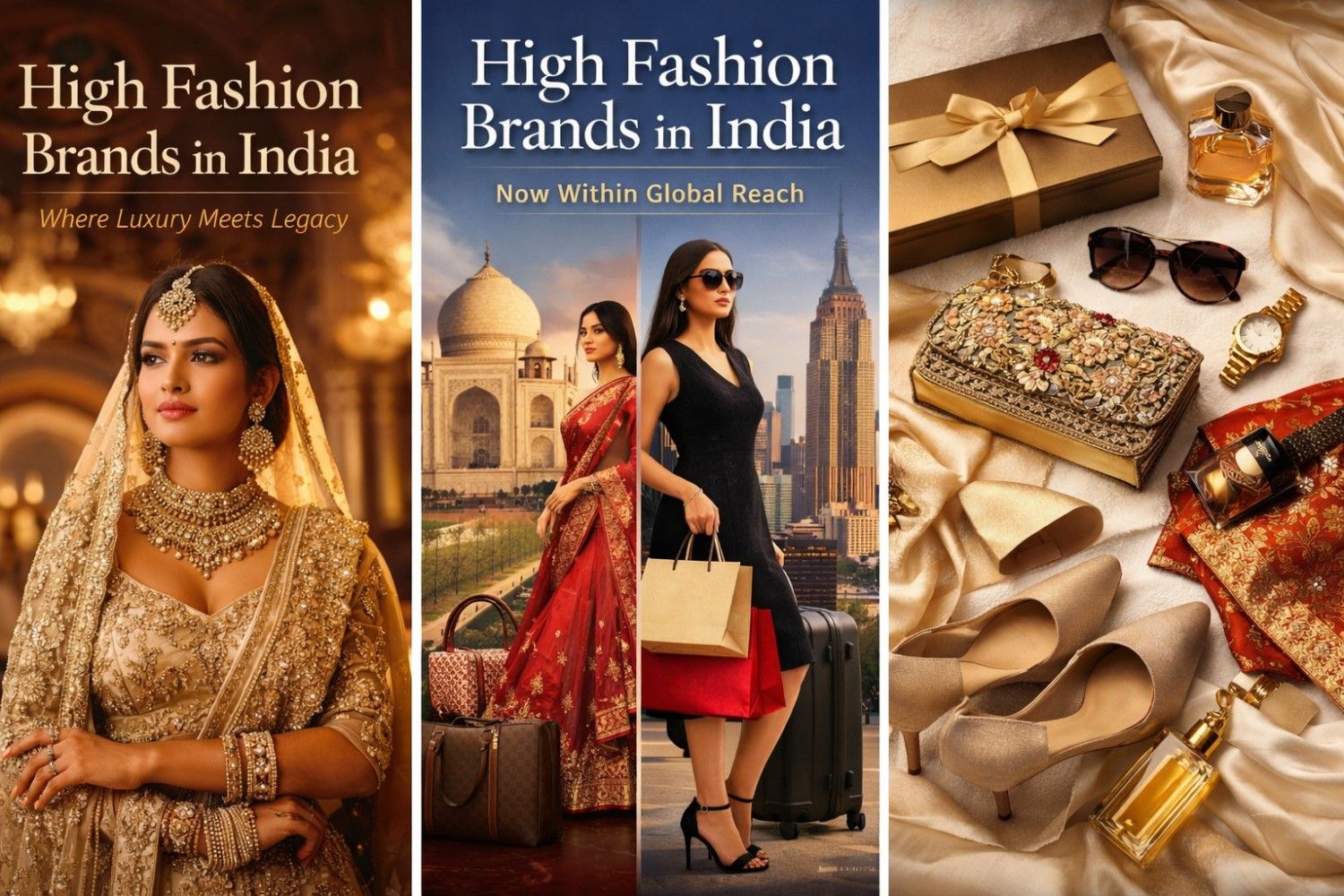
High fashion, often referred to as haute couture or luxury fashion, represents the pinnacle of sartorial creativity, craftsmanship, and exclusivity. Unlike mass-market or fast fashion, which prioritizes rapid turnaround and budget appeal, high fashion embodies heritage, artisanal expertise, limited production, and status. In India, where centuries-old textile crafts coexist with cutting-edge metropolitan style, high fashion has evolved into a dynamic and aspirational market.
India’s luxury fashion market has expanded rapidly, blending heritage craftsmanship with global trends. And now, thanks to Shoppre.com, Indians living abroad can easily shop their favorite designer labels from India — from Sabyasachi and Manish Malhotra to emerging couture brands. Shoppre helps you buy from any Indian store, consolidate parcels, and ship worldwide making high fashion from India just a click away for the global Indian community.
High fashion in India isn’t simply about expensive labels or ornate garments, it’s about storytelling, legacy, identity, and cultural evolution. In the sections that follow, we explore the most influential international and Indian luxury brands shaping India’s style ecosystem in 2026.
Top International High Fashion Brands in India
The presence of Europe’s grand maisons and iconic American fashion houses in India underscores the country’s growing importance on the global luxury map. From flagship boutiques in Mumbai and Delhi to exclusive pop-ups during fashion weeks, international labels are solidifying their footprint while Indian consumers embrace global style narratives.
European Luxury Houses
Europe remains the heartland of traditional luxury fashion. With roots in Paris, Milan, and London, the continent’s heritage houses have set the benchmark for craftsmanship and prestige.
Louis Vuitton
The French maison Louis Vuitton is synonymous with luxury travel and engineered leather goods. Known for its monogram canvas and innovation under designers like Nicolas Ghesquière, Vuitton’s India stores especially in Mumbai’s Jio World Plaza and Delhi’s DLF Emporio — showcase ready-to-wear, accessories, and haute leather pieces. Price points for iconic handbags, such as the Neverfull or OnTheGo, typically start in the ₹1,50,000+ range, with limited editions and custom pieces reaching considerably higher.
Gucci
Italian luxury powerhouse Gucci under Alessandro Michele’s visionary tenure — has blended maximalist aesthetics with contemporary youth culture. In India, Gucci’s flagship stores carry everything from leather goods and ready-to-wear to signature loafers. Prices for accessories generally begin in the ₹80,000–₹1,50,000+ bracket, with couture and exotic leather items priced higher.
Hermès
Hermès — the epitome of understated luxury represents both fashion and long-term investment. Known for the Birkin and Kelly bags, famed silk scarves, and fine leather goods, Hermès’ boutiques in Mumbai and Delhi cater to elite collectors. Birkin bags in India can start from ₹12,00,000+ depending on size, material, and rarity, making it one of the most coveted and expensive luxury items in the market.
Dior
Dior’s refined elegance and feminine silhouettes remain influential globally. With collections spanning from the iconic Lady Dior bag to exquisite couture gowns, Dior’s Indian presence emphasizes heritage craftsmanship married with contemporary flair. Signature bags often start in the ₹2,00,000+ range, with couture orders priced on request.
Chanel
Chanel’s timeless appeal — whether in its quilted classic flap, tweed suits, or fine jewelry — attracts Indian connoisseurs seeking heritage and polish. With limited availability in select boutiques, pricing for classic Chanel bags often begins around ₹3,00,000+ and escalates significantly for rare pieces.
Prada
Prada’s fusion of minimalism and avant-garde design resonates with professionals and fashion insiders alike. From Saffiano leather bags to runway pieces, Prada offers a refined yet bold wardrobe. Accessories typically start in the ₹90,000–₹1,50,000+ bracket.
Versace
Versace’s bold prints, luxe silk, and statement aesthetic appeal to those seeking vibrant and standout luxury. With flagship availability in Mumbai and Delhi, Versace’s prêt-à-porter and accessories range from ₹1,00,000–₹3,00,000+ depending on the category.
Collectively, these European houses epitomize the heritage, craftsmanship, and status associated with high fashion globally. Their presence in India reflects not just commercial expansion but also the appetite of Indian consumers for luxury narratives and aspirational style.
American and Other International Brands
While European luxury dominates the heritage category, American and other global labels bring a different sensibility — blending classic design with accessible aesthetics and everyday luxury.
Michael Kors
Michael Kors offers a blend of cosmopolitan chic and everyday elegance. Known for its signature logo bags and jet-set vibe, the brand’s leather goods and accessories in India typically start around ₹50,000–₹90,000 appealing to aspirational buyers who want recognizability with luxury quality.
Coach
Coach has redefined American luxury with modern reinterpretations of classic bags and street-meets-sartorial pieces. Its offerings in India — particularly the Tabby and Pillow Tabby lines — are priced from ₹60,000–₹1,00,000+.
Ralph Lauren
Ralph Lauren’s refined preppy aesthetic — from tailored blazers and polos to luxurious evening wear — resonates with consumers who value understated elegance. The brand’s India price range for signature pieces typically starts from ₹70,000+.
Burberry
British heritage brand Burberry blends classic trench coats with contemporary ready-to-wear. Known for its iconic check pattern and leather goods, Burberry’s pricing in India begins around ₹1,00,000+ for accessories and increases with outerwear and specialty pieces.
Jimmy Choo
Legendary for its shoes and red-carpet aesthetics, Jimmy Choo’s India presence highlights glamorous footwear and accessories. Signature stilettos and embellished heels often begin around ₹80,000+, making them a staple among social-event wardrobes.
Indian High Fashion Designers and Brands
India’s fashion identity is defined not just by global imports, but by a rich coterie of designers who have shaped couture with cultural resonance, artisanal technique, and global relevance.
Established Indian Couture Houses
These houses have played a pivotal role in elevating Indian bridal couture and luxury wear to international acclaim.
Sabyasachi
Sabyasachi Mukherjee is arguably the most influential Indian designer today. Known for his romantic silhouettes, rich textiles, and deep reverence for Indian crafts, Sabyasachi has become synonymous with bridal couture. His wedding lehengas, signature prints, and intricate embroidery command prices from ₹2,50,000+ and often much higher for one-of-a-kind creations.
Manish Malhotra
Manish Malhotra’s vision blends cinematic glamour with contemporary silhouettes. A favorite among Bollywood stars and high society, his couture and ready-to-wear collections offer celebratory elegance, often with price tags in the ₹1,50,000–₹5,00,000+ bracket for couture pieces.
Tarun Tahiliani
Tarun Tahiliani’s philosophy merges Indian crafts with global techniques from draping to digital prints. His luxurious saris, indo-western drapes, and bespoke garments reflect elevated Indian aesthetics with price ranges often starting at ₹1,50,000+.
Rohit Bal
Rohit Bal’s design language is theatrical, intricate, and detailed frequently inspired by history, poetry, and Indian art. His couture garments are collector pieces, often priced from ₹2,00,000+, particularly for bridal and statement wear.
Anita Dongre
Anita Dongre champions both luxury and sustainability. With her brands AND (contemporary) and Grassroot (craft preservation), she blends heritage with modernity. Luxury pieces typically start from ₹80,000+, with couture pricing varying by custom work.
Abu Jani Sandeep Khosla
Known for dramatic silhouettes, handwork, and unparalleled opulence, Abu Jani Sandeep Khosla’s couture is a staple for celebrity weddings and elite galas. Their garments can range from ₹3,00,000+ and beyond, depending on complexity.
Contemporary Indian High Fashion Labels
The next generation of Indian designers is reshaping luxury with innovation, sustainability, and a global mindset.
Gaurav Gupta
Gaurav Gupta’s sculptural silhouettes and architectural design philosophy place him at the intersection of fashion and art. His avant-garde couture pieces are collector-worthy and priced from ₹2,50,000+.
Rahul Mishra
An advocate for craft and sustainability, Rahul Mishra integrates Indian textiles with contemporary aesthetics — earning global recognition and awards. His couture and ready-to-wear pricing often begins around ₹1,50,000+.
Anamika Khanna
Anamika Khanna’s fusion of Indian draping with tailored suiting offers a uniquely modern Indian luxury sensibility. Her pieces — especially bridal and red-carpet couture — are priced from ₹2,00,000+.
Masaba Gupta
Masaba Gupta’s playful prints and bold colors appeal to youthful luxury consumers. While her contemporary couture sits below traditional couture pricing, her signature pieces still command strong desirability, often from ₹80,000+.
Ritu Kumar
One of India’s most enduring designers, Ritu Kumar’s legacy is built on textiles, handwork, and cultural narratives. Her luxury collections — especially bridal and occasion wear — start from ₹1,00,000+.
Where to Shop High Fashion Brands in India
India’s luxury shopping scene mirrors the sophistication of global fashion capitals, offering elegant flagship stores, curated multi-brand boutiques, and high-end shopping districts. Whether you’re seeking a Dior gown, a Sabyasachi lehenga, or a limited-edition Gucci bag, India’s retail landscape provides a seamless fusion of indulgence and exclusivity.
Luxury Shopping Destinations by City
Mumbai
Mumbai stands as the heartbeat of Indian luxury retail.
Palladium, Lower Parel: A hub for international labels like Gucci, Burberry, Jimmy Choo, and Michael Kors.
Jio World Plaza, Bandra-Kurla Complex (BKC): The latest destination for global fashion elites, hosting Louis Vuitton, Dior, Tiffany & Co., Chanel, and Versace.
The Collective: A premium multi-brand store featuring curated collections from Ralph Lauren, Hugo Boss, and Alexander McQueen.
The city’s cosmopolitan clientele — from celebrities to business magnates — fuels a consistent demand for new-season luxury collections.
Delhi
Delhi combines tradition with cutting-edge couture.
DLF Emporio, Vasant Kunj: India’s most iconic luxury mall housing Hermès, Cartier, Dior, Gucci, and Indian designers like Tarun Tahiliani and Manish Malhotra.
The Chanakya: A newer luxury destination offering experiential retail, fine dining, and boutiques like Ted Baker, Nicobar, and Rolex.
Select Citywalk, Saket: Though more commercial, it still houses premium labels and multi-brand stores catering to affluent shoppers.
Bangalore
The southern hub of technology and wealth, Bangalore’s luxury scene is centered in UB City, hosting Prada, Louis Vuitton, and Canali boutiques.
Phoenix Marketcity and The Collective further extend access to global luxury and designer wear.
Hyderabad
Hyderabad’s Banjara Hills and Jubilee Hills boast standalone designer boutiques from Sabyasachi, Anamika Khanna, and Shantanu & Nikhil. The city’s affluent families, particularly within the wedding segment, make it a booming couture market.
Chennai
While Chennai’s luxury market is smaller, Express Avenue and Phoenix Marketcity are expanding their high-end portfolios, offering brands like Coach, Michael Kors, and Tumi, along with Indian luxury labels through curated boutiques.
Online Luxury Fashion Platforms
In the digital age, luxury shopping in India has transcended physical spaces. Elite e-commerce platforms cater to discerning buyers seeking convenience, authenticity, and global curation.
Tata CLiQ Luxury: Features exclusive collections from international brands with white-glove service and authenticity guarantees.
Ogaan: Known for featuring established and emerging Indian designers.
Ensemble: A pioneer in Indian luxury fashion retail, offering couture and prêt collections online.
Aza Fashions: Curates designers like Gaurav Gupta, Tarun Tahiliani, and Rahul Mishra with global shipping.
Pernia’s Pop-Up Shop: A top destination for bridal couture and festive wear.
Genes Lecoanet Hemant: Offers ready-to-wear pieces from the Paris-based Indian luxury label.
These platforms bridge the accessibility gap, empowering customers across India — from Delhi to Coimbatore, to shop authentic high fashion at the click of a button.
The Indian High Fashion Consumer
India's high fashion landscape is shaped by a unique consumer base that blends tradition with modernity, aspiration with authenticity. Understanding who buys luxury fashion in India reveals fascinating insights into the country's changing socio-economic fabric.
Demographics and Psychographics
The typical Indian high fashion consumer is predominantly urban, aged 25-45 years, with a household income exceeding ₹25 lakhs annually. The demographic is rapidly expanding to include millennials and Gen Z shoppers who view luxury fashion as self-expression rather than mere status symbolism.
These consumers are well-traveled, digitally savvy, and research extensively before purchases. They value craftsmanship, exclusivity, and brand heritage, willing to invest in quality pieces that offer longevity. Metropolitan cities like Mumbai, Delhi, Bangalore, and Hyderabad house the majority, though tier-2 cities are emerging as significant markets. Women constitute approximately 65% of the market, though menswear is witnessing rapid growth.
Occasions Driving Purchases
Unlike Western markets, Indian high fashion consumption is heavily occasion-driven. Weddings remain the largest catalyst, accounting for nearly 40% of luxury purchases. The big fat Indian wedding culture creates demand for bridal couture and guest outfits, with consumers investing ₹5-10 lakhs or more.
Festive seasons—particularly Diwali, Navratri, and Eid—trigger 30-50% sales spikes. Corporate events, award ceremonies, and destination weddings also drive demand. Increasingly, consumers purchase luxury fashion for international travel and lifestyle milestones, indicating a maturing market where luxury extends beyond traditional occasions.
The Rise of Young Luxury Consumers
Individuals in their late 20s and early 30s, often in high-paying tech, finance, and entrepreneurship roles, are entering the luxury market earlier than previous generations. These consumers are less price-sensitive and more value-conscious, seeking brands that align with their personal values.
This demographic drives demand for contemporary high fashion over traditional couture. They're experimental, willing to mix luxury with high-street fashion, and view high fashion as investment dressing. The "wealth creators" rather than "wealth inheritors" are becoming dominant, carefully curating versatile, Instagram-worthy wardrobes.
Celebrity Influence and Brand Ambassadors
Indian celebrities wield enormous influence over high fashion consumption. When Deepika Padukone appears in Sabyasachi or Ranveer Singh sports Manish Malhotra, it immediately translates into consumer interest and sales.
Luxury brands have appointed Indian celebrities as ambassadors—Louis Vuitton with Deepika Padukone, Dior with Sonam Kapoor significantly boosting brand visibility. Beyond Bollywood, cricket icons like Virat Kohli are expanding the definition of style influencers, particularly among young male consumers.
Social Media's Impact on Luxury Fashion Consumption
Instagram has become a digital runway where consumers discover trends, follow designers, and curate aspirational wardrobes. Fashion influencers have emerged as trusted voices, often wielding more influence than traditional advertising through styling tips, reviews, and accessibility.
The "Instagram effect" has changed purchasing motivations. Consumers now seek photogenic, statement pieces that perform well on social media, valuing uniqueness and visual impact. This visibility has also created more discerning consumers who can quickly compare prices globally and spot inauthentic products, pushing brands toward greater transparency.
Trends Shaping High Fashion in India (2026)
The luxury fashion landscape in 2026 reflects the fusion of heritage and innovation. Several trends define this dynamic evolution.
Fusion of Traditional and Contemporary Design: Designers like Rahul Mishra and Anita Dongre are merging artisanal craftsmanship with modern silhouettes, redefining global Indian couture.
Sustainable Luxury: Eco-conscious collections using organic fabrics, recycled materials, and zero-waste production are gaining momentum.
Gender-Fluid Fashion: Labels such as Huemn and Rishta by Arjun Saluja are breaking gender binaries with androgynous collections.
Digital Fashion & NFTs: Virtual fashion shows, AI-designed collections, and NFT fashion assets are reshaping how exclusivity is perceived.
Customization & Bespoke Services: Personalized luxury experiences, from monogrammed handbags to made-to-measure couture, are driving customer loyalty.
These trends signify India’s readiness to lead, not follow, in global fashion innovation.
How to Style High Fashion Pieces
Styling high fashion is an art that balances luxury with individuality. Here’s how you can incorporate statement pieces seamlessly into your wardrobe:
Mix High and Low Fashion: Pair a Gucci blazer with tailored trousers from Zara for a refined, balanced look.
Versatile Wardrobe Staples: Invest in timeless pieces — a Chanel bag, a Ralph Lauren blazer, or a Sabyasachi sari — that can be styled across seasons.
Occasion-Appropriate Luxury: Choose embellished couture for weddings, and minimalist silhouettes for cocktail or corporate events.
Indian Festive Meets Modern Chic: Style a Ritu Kumar embroidered jacket over Western ensembles for Indo-global flair.
Accessorize Intelligently: Statement shoes or jewelry can elevate even the simplest outfit.
FAQs About High Fashion Brands in India
1. What is the difference between high fashion and fast fashion?
High fashion emphasizes craftsmanship, exclusivity, and artistry. Fast fashion focuses on rapid production and affordability, often at the expense of quality and sustainability.
2. Which is the most expensive high fashion brand in India?
Hermès, Chanel, and Dior are among the most expensive international brands, while Indian couture houses like Sabyasachi and Abu Jani Sandeep Khosla dominate the domestic segment.
3. Are high fashion brands cheaper in India or abroad?
Luxury items are often slightly more expensive in India due to import duties and taxes. However, limited-edition pieces and special collections are often released locally for Indian clientele.
4. How can I verify authentic luxury products?
Always buy from brand-authorized boutiques or verified online platforms like Tata CLiQ Luxury. Check for authenticity cards, serial numbers, and packaging details.
5. What are the best investment pieces from high fashion brands?
Timeless handbags (Hermès Birkin, Chanel Classic Flap), watches (Rolex, Cartier), and couture garments from Sabyasachi or Dior are excellent investment options.
6. Do high fashion brands offer customization in India?
Yes. Both international and Indian brands provide bespoke services. Sabyasachi, Dior, and Louis Vuitton offer monogramming and made-to-order designs.
7. What are the latest high fashion trends in India?
Sustainability, fusion fashion, digital couture, and gender-neutral designs are dominating India’s luxury landscape in 2026.