
Complete Maha Shivaratri Puja Samagri List (Top 21 Items)
Published on 20th January 2026 by Vismaya R K
General
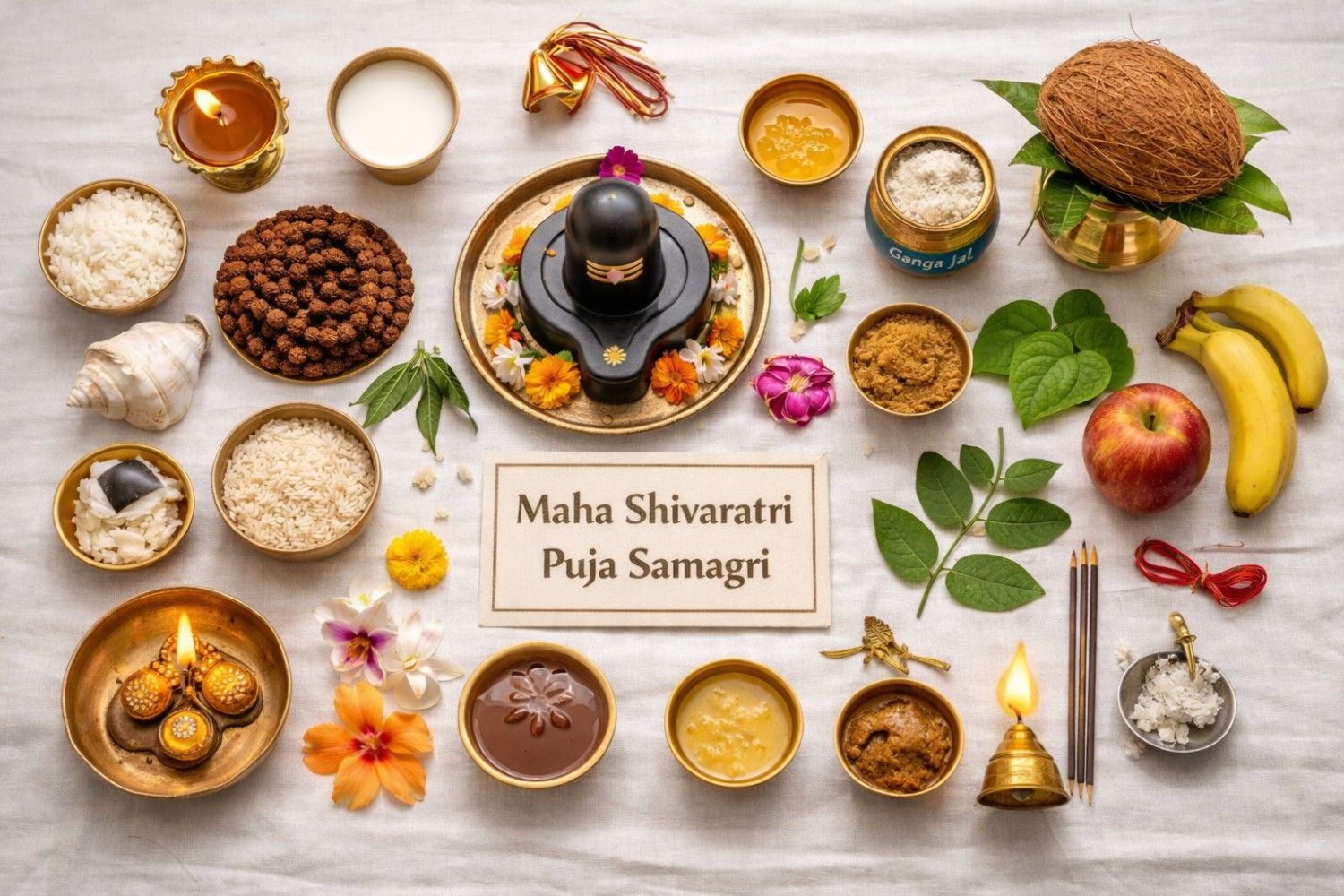
Introduction: The Sacred Essence of Maha Shivaratri Puja
Maha Shivaratri, meaning “The Great Night of Lord Shiva,” is one of the most spiritually powerful nights in Hindu tradition. Devotees across the world stay awake, chant mantras, and perform sacred rituals to honor Lord Shiva. Performing puja on this night is believed to cleanse the soul, remove sins, and bring peace and prosperity.
A well-prepared Maha Shivaratri puja samagri list ensures that devotees can perform the rituals with devotion and precision. For those living abroad, it’s often challenging to find authentic Indian pooja essentials.
That’s why Shoppre ships authentic pooja items from India to worldwide destinations, so you can celebrate Maha Shivaratri with purity and tradition, no matter where you are. Let’s explore the essential puja items used during this divine festival and understand their deeper meanings.
Understanding the Purpose of Maha Shivaratri Puja
Maha Shivaratri symbolizes the union of Shiva and Shakti, the cosmic balance of energy and consciousness. The puja performed on this night represents surrender, transformation, and spiritual awakening. Every offering made from a simple leaf to sacred water holds a symbolic meaning that deepens our connection with Lord Shiva.
How to Prepare for Maha Shivaratri Puja at Home
Creating a Peaceful Puja Space
Choose a clean and quiet area for your altar. Place a Shiva Lingam or idol of Lord Shiva on a wooden platform. Decorate the space with flowers, incense, and lamps. Maintain purity of mind and body before beginning.
Ideal Time for Maha Shivaratri Puja
Puja can be performed at night, ideally during the four prahars (quarters) each representing a spiritual stage. Fasting, meditation, and chanting the Om Namah Shivaya mantra throughout the night amplify the blessings.
Read: 150+ Maha Shivaratri Wishes and Messages
Step-by-Step Maha Shivaratri Puja Vidhi (How to Use the Items)
Performing Maha Shivaratri Puja at home is a sacred way to connect with Lord Shiva. Even beginners can perform this ritual with sincerity and devotion. Below is a simple step-by-step guide to help you use the puja items effectively:
🕰️Morning Preparation (Purification and Setup)
Clean the Puja Area: Start your day early and purify your home and altar. Sprinkle Ganga Jal around the puja space.
Set Up the Altar: Place the Shiva Lingam on a copper or brass plate, symbolizing the universe.
Arrange the Samagri: Keep all 21 puja items neatly organized within reach.
🕉️ Abhishekam Process (Main Puja Ritual)
Offer Ganga Jal: Begin by pouring Ganga Jal over the Shiva Lingam while chanting Om Namah Shivaya.
Apply Panchamrit: Bathe the Lingam with a mixture of milk, honey, curd, sugar, and ghee.
Use Sandalwood Paste and Bhasma: Apply gently on the Lingam to invite positive energy.
Adorn with Bilva Leaves and Flowers: Offer Bilva leaves in sets of three while chanting the Maha Mrityunjaya Mantra.
Light the Diya and Incense: The flame represents enlightenment, while the aroma attracts purity and peace.
📿 Chanting Shiva Mantras
Reciting mantras enhances the divine vibration of the puja. Popular mantras include:
Om Namah Shivaya
Maha Mrityunjaya Mantra
Rudra Ashtakam
🌸 Final Offering and Aarti
Offer fruits, betel leaves, and prasad.
Perform the Shiv Aarti, ringing the bell to symbolize the removal of darkness.
Sit in silence for a few minutes, meditating on Lord Shiva’s energy and seeking blessings.
Symbolism Behind the 21 Puja Items
Each puja item reflects a deeper spiritual truth:
Bilva leaves represent Lord Shiva’s third eye and are believed to balance energies.
Ganga Jal purifies the mind and spirit.
Datura flower symbolizes surrender and devotion.
Rudraksha beads connect the devotee to Lord Shiva’s essence.
Camphor and Diya represent transformation and the light of consciousness.
Every item offered in the Maha Shivaratri puja acts as a bridge between the devotee and the divine.
Eco-Friendly Maha Shivaratri Puja Tips
Spiritual devotion and environmental care go hand in hand. Here’s how you can celebrate sustainably:
🌿 Use Natural Flowers: Avoid plastic decorations or artificial petals.
🪔 Opt for Soy or Ghee Diyas: Reduce smoke by avoiding paraffin candles.
🌸 Reuse Copper or Brass Puja Items: They are long-lasting and sacred.
🌍 Compost Organic Offerings: Return used flowers and fruits to the earth respectfully.
💧 Use Minimal Water: Perform abhishekam with care, symbolically rather than excessively.
These small changes keep your celebration pure and planet-friendly.
Common Mistakes to Avoid During Maha Shivaratri Puja
Forgetting to cleanse the puja space or self before starting.
Offering Tulsi leaves (never used for Lord Shiva).
Mixing leftover prasad or impure items with fresh offerings.
Not maintaining silence or concentration during chanting.
Skipping the Bilva leaves or offering broken ones.

FAQs: Maha Shivaratri Puja Essentials
1. What are the most important items for Maha Shivaratri puja?
The core items include a Shiva Lingam, Bilva leaves, Ganga Jal, milk, honey, sandalwood paste, and a diya. These are essential for performing abhishekam and offering prayers.
2. Can I perform Maha Shivaratri puja at home without a priest?
Yes! You can perform a simple and heartfelt puja at home by following the steps mentioned above. Devotion matters more than rituals performed by a priest.
3. Why are Bilva leaves offered to Lord Shiva?
Bilva leaves represent Lord Shiva’s three eyes and are believed to absorb negative energy, purify the environment, and please the deity immensely.
4. Can we use normal water instead of Ganga Jal?
Yes, you can use clean water if Ganga Jal isn’t available. What matters is the purity of your intention.
5. What food is eaten during Maha Shivaratri fast?
Devotees generally observe a fruit and milk fast. Some may eat light sattvic food like sabudana, fruits, and dry fruits after midnight.
6. What is the spiritual meaning behind the abhishekam?
Abhishekam (ritual bathing) symbolizes cleansing of the mind and soul. Each liquid milk, honey, or water represents purification and surrender to Lord Shiva.
7. Can beginners perform Maha Shivaratri puja?
Absolutely! Beginners can follow simple rituals with devotion. The key is sincerity and a clean heart rather than elaborate preparations.
8. What time should Maha Shivaratri puja be performed?
The best time is during the night, divided into four prahars. Each phase represents deeper levels of consciousness and spiritual awakening.
9. Are Datura flowers really sacred to Lord Shiva?
Yes, Datura is believed to be one of Lord Shiva’s favorite offerings, symbolizing detachment and control over desires.
10. How can I prepare my home for Maha Shivaratri puja?
Clean the house thoroughly, set up a peaceful altar, and arrange all puja items in advance. Keep the atmosphere calm with incense, soft chants, and devotion.
Conclusion: Offer with Faith, Receive Divine Blessings
Maha Shivaratri is not just a night of fasting, it's a night of transformation. By offering these 21 sacred puja items, devotees express gratitude, devotion, and surrender to the Supreme Lord Shiva. Whether you perform the puja in a temple or at home, what truly counts is your bhakti (devotion).